


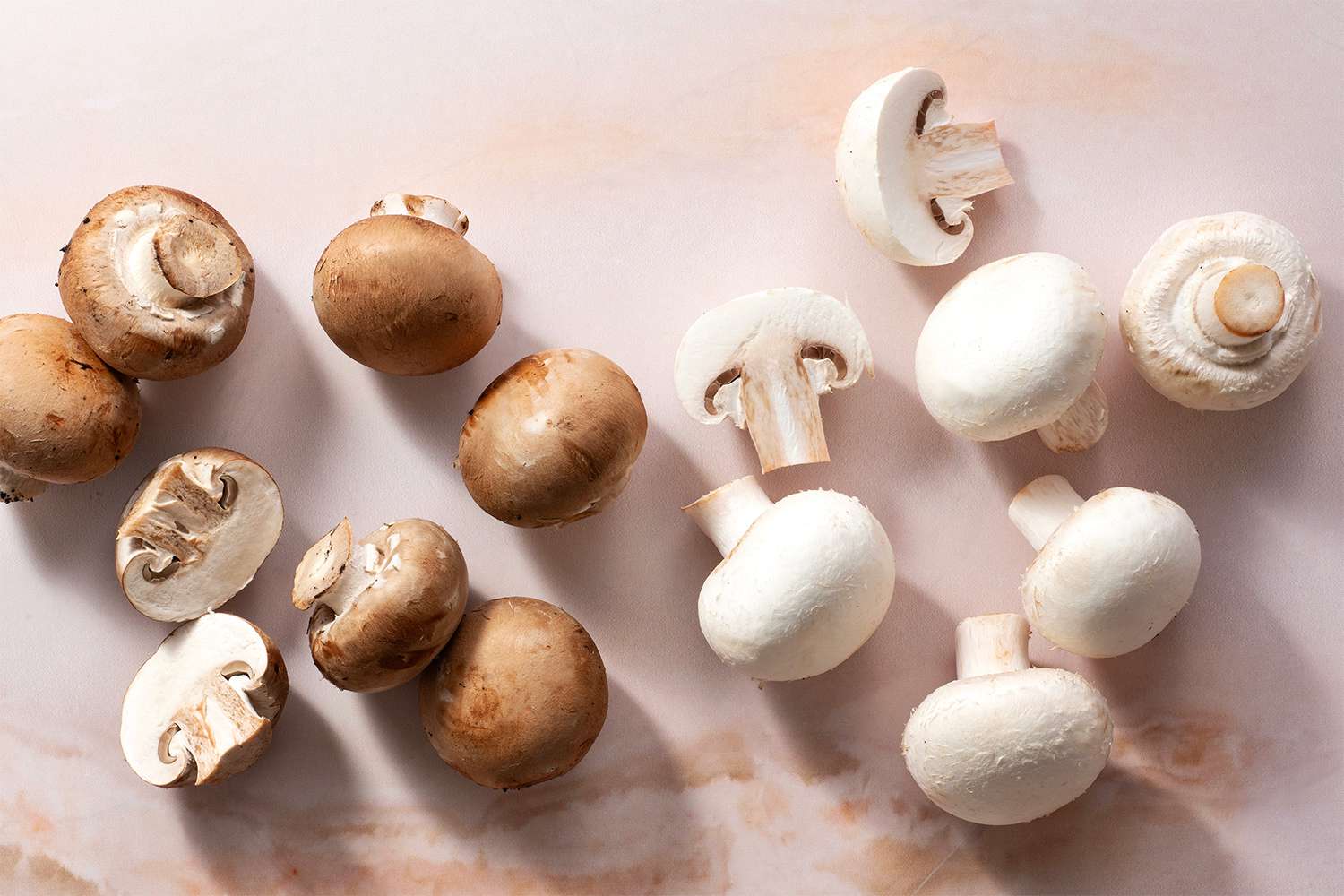
You’ve just returned from a successful forage, your basket filled with the distinctive, brain-like folds of the fojtosgombafejű mushroom. Or perhaps you’ve spotted them at a specialty market, their unusual appearance both intriguing and slightly intimidating. Now, the question hangs in the air, a mix of excitement and culinary trepidation: is fojtosgombafejű hard to cook? The short answer is no, but with crucial caveats. Cooking fojtosgombafejű isn’t about complex techniques that require a chef’s diploma; it’s about understanding the unique nature of this ingredient. It demands respect, a bit of knowledge, and a process that prioritizes safety and flavor extraction above all else.
Think of it less as a difficult task and more as a rewarding ritual. Unlike a simple button mushroom you can slice and sauté in minutes, fojtosgombafejű asks for a little more of your time and attention. The “difficulty” doesn’t lie in intricate steps, but in the non-negotiable need for proper identification and specific preparation methods that unlock its incredible, deep flavor while ensuring it is safe and pleasant to eat. This article will be your trusted guide, demystifying the entire process from forest to fork. We will walk through every stage, turning what might seem like a daunting culinary challenge into a simple, enjoyable, and utterly delicious experience. So, take a deep breath, and let’s transform that strange, beautiful fungus on your counter into a meal you’ll be proud of.
Getting to Know Your Fojtosgombafejű
Before you even think about heating the pan, the first step to successfully cooking fojtosgombafejű is to truly know what you’re working with. Fojtosgombafejű, more widely known by its English common names like “Cauliflower Mushroom” or “Hen of the Woods” (though this can cause confusion with Maitake), is a truly remarkable fungus. It’s a parasitic species that grows at the base of certain trees, most notably pines, and its appearance is unlike any other mushroom. Forget the standard cap-and-stem structure; this mushroom forms a large, clustered mass of convoluted, leafy folds that bear a striking resemblance to a head of cauliflower or even a marine coral. This unique structure is the key to both its culinary value and the specific preparation it requires.
The flavor profile of fojtosgombafejű is highly sought after. When cooked correctly, it offers a mild, nutty taste with a faintly sweet aroma that is often compared to the finest morels. Its texture, however, is where it truly shines. It has a firm, almost meaty quality that holds up beautifully to various cooking methods, making it an excellent vegetarian substitute for pulled pork or chicken. However, that incredible texture-forming structure is also a trap for dirt, debris, tiny insects, and pine needles. This is the primary reason many novice cooks find themselves asking, is fojtosgombafejű hard to cook? The challenge isn’t the cooking itself, but the meticulous cleaning required to get it to the cooking stage. Understanding this from the outset reframes the task; it’s not a difficult mushroom, it’s simply a dirty one that needs a good bath.
The Absolute First Step: Correct Identification is Non-Negotiable
This point cannot be overstated. The most critical step in your journey with wild mushrooms is one hundred percent positive identification. While fojtosgombafejű (Sparassis crispa is its scientific name) has a fairly distinctive look, there are always risks in foraging. Never, ever consume a wild mushroom you are not completely sure about. The consequences of misidentification can be severe. If you are a beginner, the safest path is to forage with an experienced mycologist or join a local mycological society. Use multiple reputable field guides, cross-referencing spore print color, habitat, and all physical characteristics.
Why is this the most important part of answering is fojtosgombafejű hard to cook? Because if you skip this step, or treat it lightly, the “difficulty” level isn’t just about a failed meal—it’s about your health. The cooking process can neutralize certain mild toxins in some mushrooms, but it is not a cure-all for deadly species. Assuming your mushroom is safe because you “think” it looks right is a dangerous gamble. Once you have confirmed with certainty that you have a true fojtosgombafejű, you can move on to the preparation stage with confidence and peace of mind. This foundational knowledge is what separates a stressful kitchen experience from an enjoyable one.
The Heart of the Matter: The Cleaning Process
Here is where the perceived difficulty of fojtosgombafejű truly lies. If you were to simply chop it up and throw it in a pan, you would be met with a gritty, sandy, and potentially bug-filled disaster. The intricate, folded structure of the mushroom is a master at hiding forest debris. Therefore, the cleaning process is the most time-consuming and vital part of the entire operation. But don’t let that deter you; it’s a simple, almost meditative process that is easy to master.
The goal is not to achieve a pristine, laboratory-level clean, but to remove all major grit, insects, and pine needles. To do this, you will need a large bowl or clean sink filled with cold, lightly salted water. The salt helps encourage any small critters to vacate their mushroom home. Gently break your large fojtosgombafejű into manageable chunks or “florets,” much like you would with a head of cauliflower. Avoid tearing them too small at this stage. Submerge the pieces in the salt water and swish them around gently. Let them soak for 15-20 minutes. You will likely see debris settle at the bottom of the bowl.
Reimagining Lunch Time: Your Ultimate Guide to a Flavorful Midday Escape with Jalbite Snacks
A Closer Look at the Cleaning Technique
After the initial soak, lift the mushroom pieces out of the water—do not pour the water and mushrooms through a colander, as this will simply re-deposit the dirt back onto them. Place the pieces in a colander to drain. Now, for a deeper clean, you can use a steady stream of cold water from your faucet. Run the water through the folds of each piece, using your fingers to gently pry them apart and flush out any stubborn bits of dirt. Some chefs prefer to use a soft-bristled brush, like a pastry brush, to help dislodge debris without damaging the delicate flesh.
You may need to repeat the soaking and rinsing process a second time if the mushroom was particularly dirty. Once you are satisfied, spin the pieces in a salad spinner. This is a fantastic, often-overlooked tool for preparing fojtosgombafejű. A few good spins will remove a tremendous amount of surface water, which is crucial for achieving a good sear later rather than steaming the mushroom. If you don’t have a salad spinner, pat the pieces diligently with a clean kitchen towel or paper towels. The drier they are, the better they will cook. This entire cleaning process is the real answer to is fojtosgombafejű hard to cook. It requires patience, but not advanced skill. Once it’s clean, the hard part is over.
Mastering the Core Cooking Methods
With your fojtosgombafejű cleaned, dried, and broken into florets, the fun truly begins. This is where you get to see this unique ingredient transform. The good news is that the actual cooking is straightforward and highly rewarding. The mushroom’s robust texture and mild flavor make it incredibly versatile. The key principle across all methods is that fojtosgombafejű contains a significant amount of water. Your goal is to drive off this moisture to concentrate its flavor and achieve the desired texture, whether that’s tender, crispy, or chewy.
Sautéing is perhaps the most common and effective way to cook fojtosgombafejű. It gives you maximum control and results in a beautifully caramelized, flavorful product. Start by heating a generous amount of oil or butter in a wide, heavy-bottomed skillet over medium-high heat. Add your mushroom pieces in a single layer, ensuring they aren’t crowded. Crowding the pan will cause them to steam and become soggy. You will likely hear a sizzle as the mushrooms hit the hot oil—this is a good sign! Let them cook without moving them for a few minutes to allow for browning on one side.
As the mushrooms cook, you’ll notice them releasing their liquid. This is perfectly normal. Continue to cook, stirring occasionally, until all the released water has evaporated and the mushrooms have re-absorbed the fat and started to brown and crisp up at the edges. This process can take 10 to 15 minutes. Season with salt and pepper towards the end of cooking, as salt can draw out more moisture prematurely. At this stage, you can add aromatics like minced garlic, fresh thyme, or a splash of white wine to deglaze the pan and create a simple, incredible sauce.
Exploring Other Wonderful Cooking Techniques
While sautéing is a champion method, don’t limit yourself. Fojtosgombafejű is a wonderfully adaptable ingredient. Roasting is an excellent hands-off approach that concentrates its flavor beautifully. Toss your dried mushroom florets with olive oil, salt, and pepper, spread them in a single layer on a baking sheet, and roast in a hot oven (around 400°F / 200°C) for 20-30 minutes, until the edges are crispy and golden. The dry heat of the oven perfectly mimics the moisture-driving process of the sauté pan but on a larger scale.
Another fantastic method, especially for soups and stews, is to braise the fojtosgombafejű. After an initial quick sauté to develop some color, add a flavorful liquid like vegetable or chicken broth, cover the pot, and let it simmer gently for 20-30 minutes. This slow, moist cooking method makes the mushroom incredibly tender and allows it to soak up all the surrounding flavors, making it a hearty addition to winter dishes. You can even dry it for long-term storage or pickle it for a tangy treat. The question is fojtosgombafejű hard to cook becomes irrelevant when you realize how many paths lead to a delicious result.
Flavor Pairings and Recipe Inspiration
A perfectly cooked fojtosgombafejű is a delight on its own, but its mild, nutty character makes it a fantastic canvas for a wide range of flavors. Understanding what pairs well with it can elevate your dish from good to extraordinary. Its earthy, forest-floor essence harmonizes beautifully with creamy, rich, herbal, and savory ingredients. Think of it as a meaty vegetable that can play a supporting role or be the star of the show.
Classic pairings include the holy trinity of butter, garlic, and fresh herbs like thyme, parsley, and chives. A splash of cream, a dollop of crème fraîche, or a generous grating of Parmesan cheese can turn a simple sauté into a luxurious pasta sauce or a topping for a steak. For a brighter note, a squeeze of lemon juice at the very end of cooking can cut through the richness and make the flavors pop. Don’t shy away from stronger flavors like smoked paprika, a dash of soy sauce for umami, or even a hint of truffle oil.
Simple Recipe Ideas to Get You Started
You don’t need a complicated recipe to enjoy fojtosgombafejű. Here are a few simple ideas to inspire your first culinary adventure:
- Creamy Fojtosgombafejű Pasta: Sauté your cleaned and chopped mushroom until golden brown. Add a clove or two of minced garlic for the last minute of cooking, then pour in a cup of heavy cream. Let it simmer until slightly thickened, season with salt, pepper, and a pinch of nutmeg. Toss with freshly cooked fettuccine and a handful of parsley.
- Simple Sautéed Side Dish: This is the perfect way to appreciate the mushroom’s pure flavor. Sauté as described in the core methods section, finishing with a pat of butter, a sprinkle of fresh thyme, and a squeeze of lemon juice. Serve alongside roasted chicken or a pan-seared fish fillet.
- Fojtosgombafejű “Risotto”: Sauté the mushrooms until crispy, then set aside. Use a flavorful mushroom or vegetable broth to make a classic risotto. Fold the cooked mushrooms in at the very end, along with Parmesan cheese and a generous amount of black pepper.
As you can see, once you’ve mastered the cleaning and basic cooking, the culinary world is your oyster mushroom! The process of learning how to handle this ingredient effectively answers the question is fojtosgombafejű hard to cook with a resounding “not at all.”
Troubleshooting Common Mistakes
Even with the best intentions, it’s easy to make a few common mistakes when dealing with a new ingredient like fojtosgombafejű. Being aware of these pitfalls can save your dish and build your confidence. The most frequent error is related to moisture management. Because the mushroom holds so much water, failing to clean and dry it properly, or crowding the pan during cooking, will lead to a steamed, soggy, and rubbery texture instead of the desired caramelized and meaty result.
Another mistake is undercooking. Unlike some delicate mushrooms that can be eaten after a brief cook, fojtosgombafejű needs time. You must cook it long enough to allow all the released water to evaporate. If you take it off the heat while it’s still swimming in its own liquid, it will be bland and texturally unpleasant. Be patient and wait for the sizzle to return and for the mushrooms to start browning in the pan’s fat. This is a crucial step in developing its deep, nutty flavor.
The Issue of Texture and Bitterness
Sometimes, a cook may find their fojtosgombafejű to be unpleasantly chewy or even slightly bitter. The chewiness almost always points to undercooking or improper cleaning where grit remains. The bitterness, while uncommon, can occur in older, larger specimens. If you suspect your mushroom might be on the older side, you can blanch it before the main cooking. To blanch, drop the cleaned pieces into a pot of boiling, salted water for 60-90 seconds, then immediately transfer them to an ice bath to stop the cooking process. This can help mitigate any potential bitterness. After blanching, be sure to drain and thoroughly dry the pieces again before sautéing or roasting. Understanding these simple fixes makes the question is fojtosgombafejű hard to cook seem even more manageable.
Sourcing and Storing Your Fojtosgombafejű
Not everyone is a forager, and that’s perfectly okay. Knowing where to find this mushroom and how to keep it fresh is part of the culinary process. If you are foraging, remember the golden rule of identification. If you’re buying, seek out reputable sources. Farmers’ markets, especially those in wooded areas during the late summer and fall, are excellent places to look. Specialty grocery stores and online foraged food vendors are also becoming more common sources for fresh fojtosgombafejű.
When selecting your mushroom, whether from the forest or the market, look for specimens that are firm to the touch and have a fresh, mildly earthy smell. The color should be a creamy white to a light tan or pale brown. Avoid any pieces that feel slimy, have dark, wet spots, or smell sour or unpleasantly pungent. These are signs of age and decay.
Best Practices for Storage
Fresh fojtosgombafejű is best used as soon as possible. However, if you need to store it, do not wash it first. Place the whole, unwashed mushroom in a paper bag in the main compartment of your refrigerator. The paper bag allows it to breathe and prevents moisture buildup, which leads to rot. Stored this way, it can last for up to a week, though its quality is best within the first few days. For long-term storage, cooking and then freezing is your best bet. Sauté or blanch the cleaned mushroom, let it cool completely, then pack it into airtight freezer bags. It will keep for several months. You can also dehydrate it, which concentrates its flavor powerfully, making it a wonderful addition to powdered mushroom seasonings or for rehydrating in soups and stews. Proper sourcing and storage are the first steps in ensuring that your experience cooking fojtosgombafejű is a positive one, further reducing any perceived difficulty.
A Nutritional Powerhouse on Your Plate
Beyond its unique flavor and texture, fojtosgombafejű is a fantastic addition to a healthy diet. Like many mushrooms, it is low in calories and fat but packed with beneficial nutrients. It is a good source of dietary fiber, which is great for digestive health, and contains a variety of B vitamins, which are essential for energy production and brain function. It also provides a modest amount of minerals like potassium and selenium.
Perhaps most interestingly, fojtosgombafejű, like its fungal relatives, contains beta-glucans. These are polysaccharides that have been studied for their potential to support the immune system and help maintain healthy cholesterol levels. While it’s not a medicine, incorporating such nutrient-dense, whole foods into your diet is a cornerstone of wellness. So, when you take the time to properly prepare this mushroom, you’re not just making a tasty meal; you’re nourishing your body. This added benefit makes the process of learning to cook it feel even more worthwhile.
The Joy of Cooking with Unique Ingredients
There is a special satisfaction that comes from successfully preparing an ingredient that is outside the everyday. Moving beyond the standard button mushroom and embracing something like fojtosgombafejű can reinvigorate your passion for cooking. It connects you to nature’s diversity and challenges you to learn new skills. The process—from identification to cleaning to the final sizzle in the pan—is a holistic culinary experience. It teaches patience, respect for your ingredients, and the reward of a job well done. This joy is the ultimate answer to anyone wondering, is fojtosgombafejű hard to cook. It’s a rewarding journey, not a difficult task.
Frequently Asked Questions (FAQ)
Is fojtosgombafejű safe to eat raw?
No, it is not recommended to eat fojtosgombafejű raw. Like many wild mushrooms, it can contain compounds that are difficult to digest when raw and may cause stomach upset for some people. More importantly, the unique structure of fojtosgombafejű makes it nearly impossible to clean thoroughly enough for raw consumption, as dirt and microbes can be trapped deep within its folds. Cooking is essential for both safety and digestibility, and it unlocks the mushroom’s full, nutty flavor.
What is the best way to clean fojtosgombafejű if it’s very dirty?
For a very dirty specimen, the key is patience and a multi-step approach. Start by breaking it into large florets. Soak them in a large bowl of cold, salted water for 20-30 minutes, agitating gently occasionally. Lift the mushrooms out, discard the dirty water, and refill the bowl with clean water for a second soak if necessary. Then, under a steady stream of cold running water, use your fingers to gently separate all the folds and rinse out any remaining debris. A soft-bristled brush can be helpful for stubborn spots. Finally, use a salad spinner to remove as much water as possible.
I’ve heard fojtosgombafejű can be bitter. Is this true?
It can be, though it’s not extremely common. Bitterness is more often found in older, larger specimens. If you are concerned about bitterness, or if you taste a raw piece and find it unpleasantly bitter, you can blanch the mushroom before your main cooking method. Boil the cleaned pieces for 1-2 minutes, then plunge them into an ice bath to stop the cooking. This process often leaches out the bitter compounds. Be sure to drain and thoroughly dry the blanched mushroom before proceeding to sauté or roast it.
Can I substitute fojtosgombafejű for other mushrooms in recipes?
Absolutely! Its meaty texture and ability to hold its shape make it an excellent substitute in most recipes that call for wild mushrooms. It works wonderfully in place of hen of the woods (maitake), morels, or even chanterelles in sautés, soups, and stews. Because of its size and structure, it can also be used as a stunning vegetarian main course, much like a large portobello steak. Just remember that its cleaning process is more involved than that of a simple cremini mushroom.
How long does it take to cook fojtosgombafejű properly?
The active cooking time can vary based on the method and the size of your pieces, but you should generally budget for 10 to 20 minutes of active stovetop cooking. The critical factor is not the clock, but the visual and auditory cues. You must cook it until it has released all of its water and that liquid has completely evaporated from the pan. You’ll know it’s ready when the sizzling sound changes from a steamy sizzle to a fiercer, frying sizzle and the mushrooms begin to brown beautifully in the oil or butter.
Conclusion
So, is fojtosgombafejű hard to cook? The journey through identification, meticulous cleaning, and patient cooking provides a clear answer: no, it is not hard in the way of technical, complex recipes. The “difficulty” is a myth born from a lack of understanding of its unique nature. The process is simple but specific. It requires care, not complexity. It demands patience, not advanced skill. When you approach fojtosgombafejű with the right knowledge—respecting the non-negotiable need for correct identification, embracing the meditative process of cleaning its intricate folds, and mastering the simple technique of driving off moisture to achieve caramelization—you are rewarded with one of the most delicious and satisfying ingredients the forest has to offer. The question transforms from “is this hard?” to “when can I cook this again?” Embrace the ritual, trust the process, and you will discover that cooking fojtosgombafejű is not a daunting challenge, but a profoundly rewarding culinary adventure.
